


Bus · truck · rail
Know the volume before the vehicle leavesume
Fresh water and waste on a coach or a train car. Fuel and AdBlue on a truck. Gobius reads the level and volume from outside the tank, so the service staff knows what needs to be done before dispatch — not halfway down the route.
- One standard fit per vehicle type
- Retrofit without taking it off the road
- Nothing inside the tank
The fleet problem
Nobody should be sent out to look
Most buses, trucks, and rail cars have no usable tank gauge, so the level is a walk around the vehicle — a few hundred times a week.
Vehicles serviced on a guess
Emptying a waste tank that was a third full, or topping water that was nearly full, burns driver hours and depot slots.
Problems that surface mid-route
A waste tank that fills between stops means a complaint and a vehicle out of service. An alarm at the level your depot acts on prevents it.
Nothing extra to maintain
Nothing sits in the liquid, so there is no float to foul or seize on a vehicle that runs all day, and no new line on the service schedule.
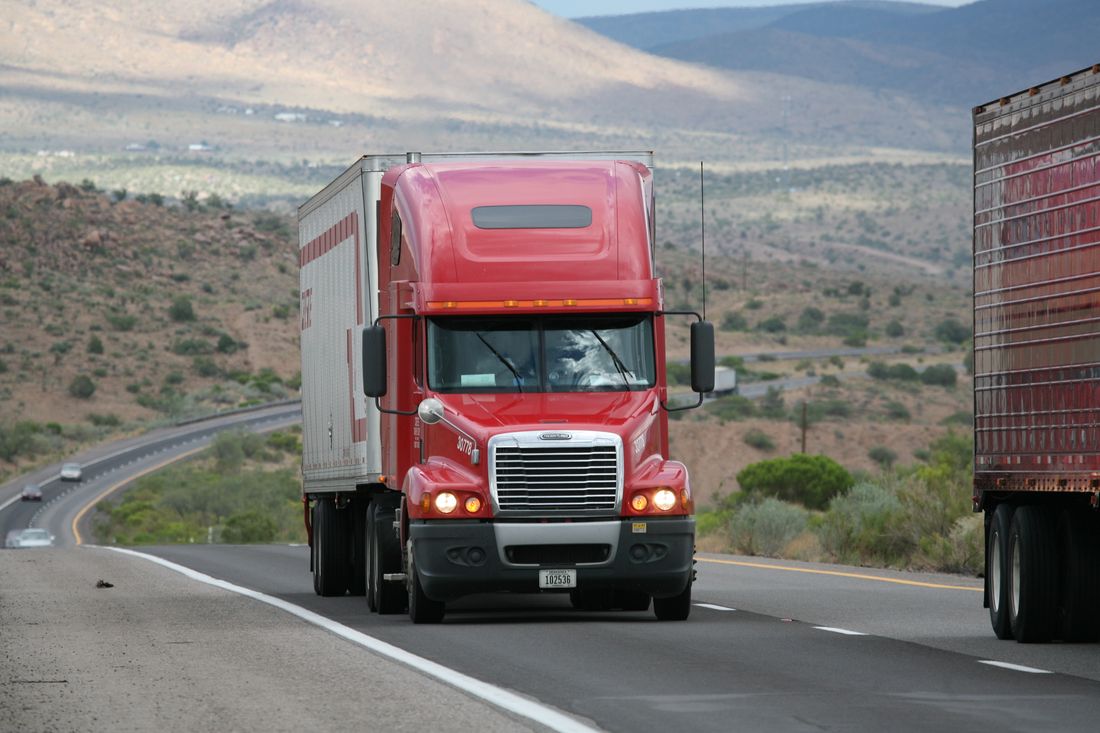
Water, waste and fuel — known at dispatch, not discovered en route
One fit, repeated
Work it out once, then repeat it across the yard
Vehicles of the same type carry the same tanks in the same places. Settle the fit on the first one and the rest follow the same instruction sheet.
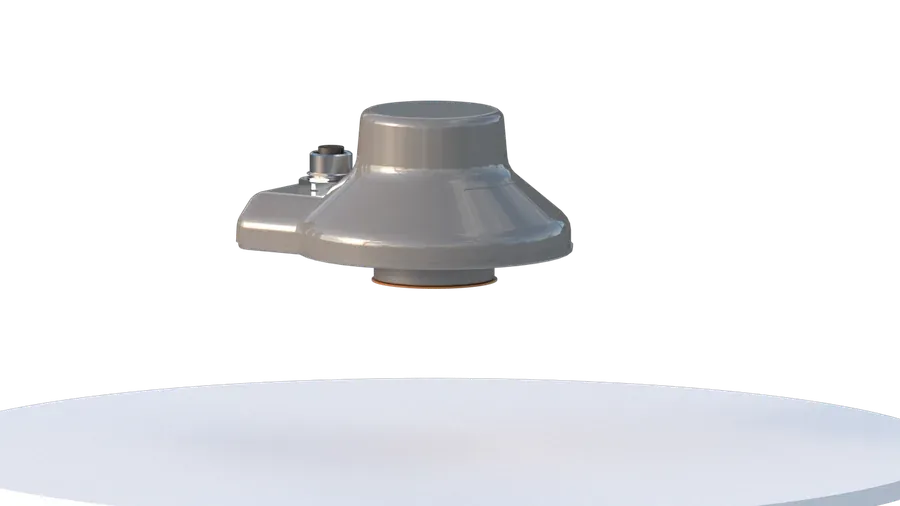
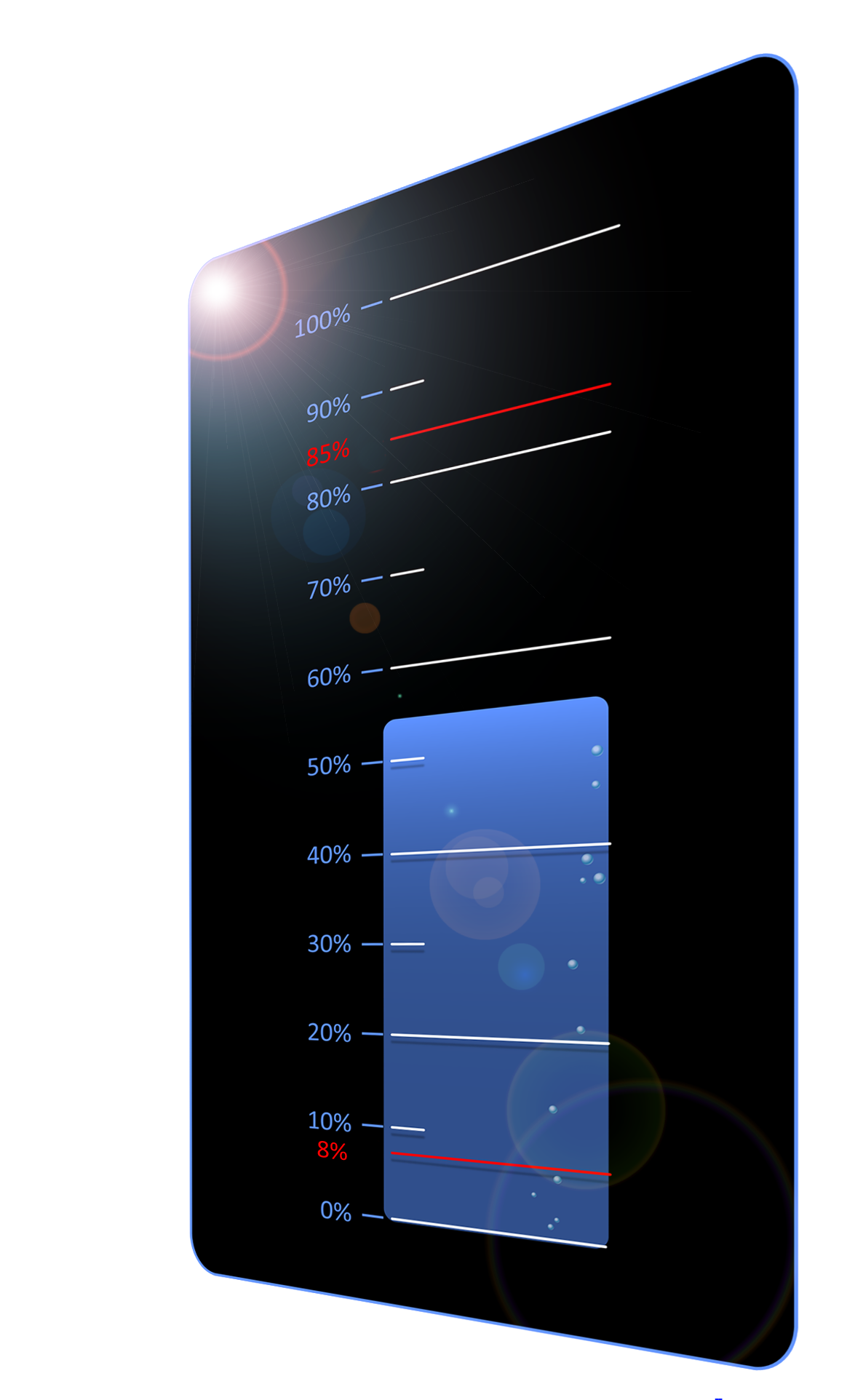
Gobius C sits on top of the tank and reads the surface with micro radar: 2 mm resolution, stepless 0–100 %. On polyethylene and fiberglass, the fit is entirely external, with nothing drilled. Radar will not pass through metal, so a metal tank needs a small port in the tank top.
| Tanks | Fresh water, grey and waste; diesel and oil |
|---|---|
| Sensor | One Gobius C per tank, on the tank top |
| Tank depth | 200–4500 mm |
| Power | 12–24 V DC from the vehicle |
| In-tank hardware | None |
| Readout | Gobius app over Bluetooth, NMEA 2000, or analog output to an existing gauge |
Where a metal tank has to stay closed, or you can only reach one side, Gobius Pro glues to the outside of the tank wall and reads through any material with nothing drilled — one fixed alarm point per sensor, not a percentage. Compare C and Pro →
Retrofit
Fitted without taking the vehicle off the road
No sender to fit, no tank to drain, no vehicle withdrawn from service. On polyethylene and fiberglass, the whole job happens outside the tank.
- 01
Survey one vehicle
Tank material, depth and where the top of each tank can be reached. That survey becomes the standard for the type.
- 02
Mount and power
Sensor mounted on the tank top, 12–24 V DC from the vehicle’s own supply. Nothing is opened on the polyethylene or fiberglass.
- 03
Calibrate once
Calibrate Gobius Pro with an empty or full tank, and set the alarm level to the point at which your depot actually acts.
- 04
Repeat down the line
Sensors are independent, so vehicles join one at a time between diagrams. No fleet-wide cutover.
Odd-shaped tank? The Gobius Tank Calculator is a separate app and requires a Gobius C sensor. It turns a percentage into liters. gallons that really exist.
From operators
What people tell us after fitting
“The toilet tank is emptied when it needs it, not when someone guesses.”
“Our water tank slopes round the frame. First gauge that has matched the litres we put in.”
“We tried one car first. Fresh and waste the same afternoon, back out that evening.”
Fleets, workshops & vehicle builders
Fitting more than one vehicle? Talk to us first.
Send the tank material, rough dimensions and how many vehicles. You get a sensor recommendation per tank, a fit your workshop can repeat, and a straight answer if a tank is a bad fit.
Fleet and OEM pricing is quoted per project.
Questions
Bus, truck & rail — frequently asked
Does the vehicle have to come off the road
Not for a plastic or fibreglass tank. Mount the sensor, take 12-24 V DC from the vehicle supply, setup and calibrate in the app.
Our tanks have an odd shape. Will the volume be right?
Gobius C measures the liquid surface with 2 mm resolution, so a slanted or tapered tank reads as accurately as a neat box. Add the separate Tank Calculator app to turn that into real litres/gallons.
Does road vibration or sloshing ruin the reading?
No. These sensors were developed for boats that heel and slam into waves, with filtering for a moving liquid surface built in.
Which liquids can you measure?
Water, grey and black water, diesel, petrol and oil. The tank matters more than the liquid — tell us the material and depth and we confirm the fit.
Know it before it leaves the yard
Water, waste and fuel levels you can act on — on buses, coaches, trucks and rail vehicles.